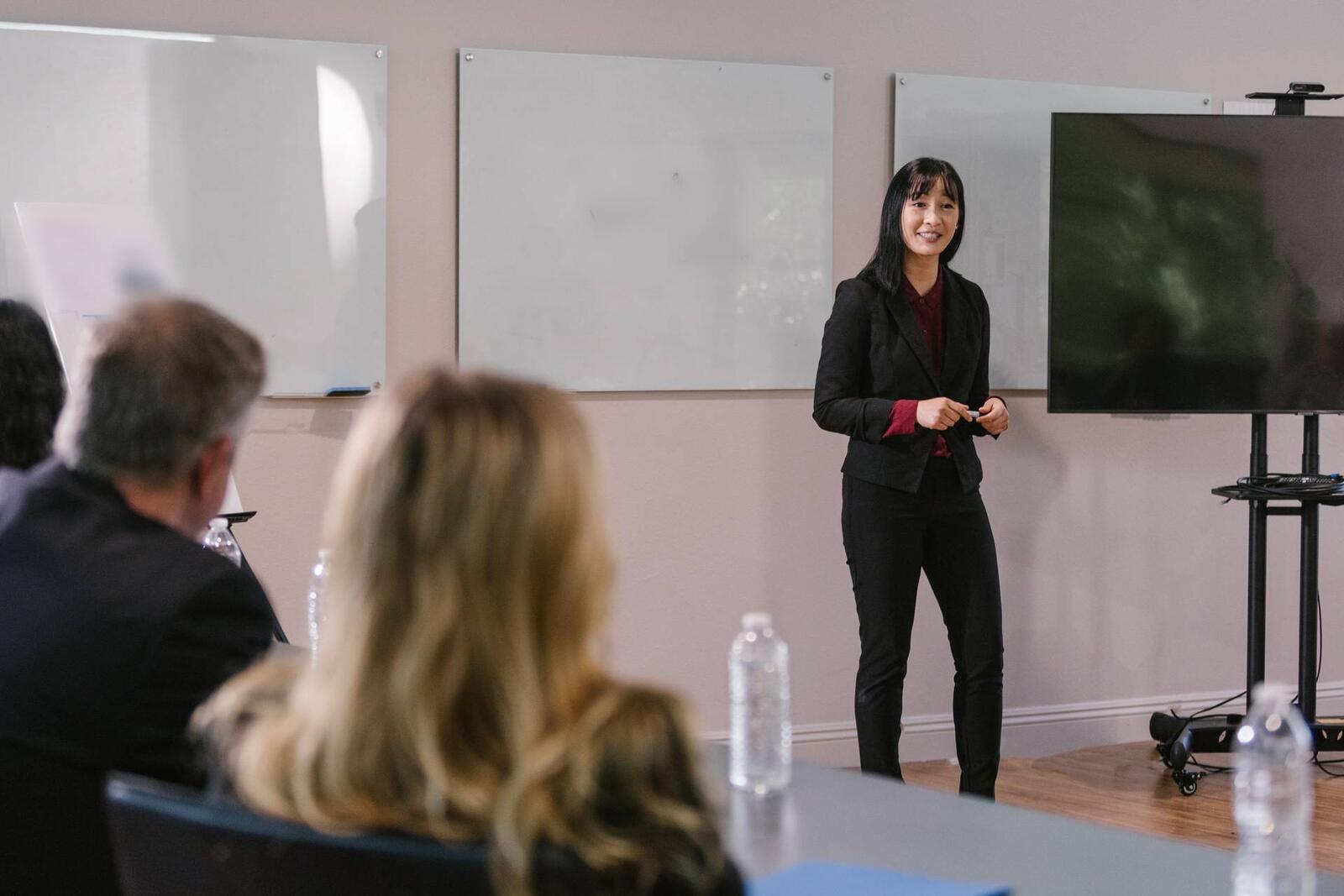

The quiet version of job hunting at a conference has an equally quiet other side, rarely written about from this angle: the person doing the asking rather than the answering. If your employer sends you to a flagship with headcount open, or you simply know the team is hiring and the room is full of exactly the people who'd be good at the job, the conversations you have are a different kind of work than attending for the content — closer to a screening interview than a hallway chat, even when it doesn't look like one from the outside.
The room already has who you're looking for
The same fact that makes a flagship useful to a job seeker makes it useful to you: the room already contains an unusually dense concentration of exactly the people a specific opening needs, self-selected by showing up to the same niche conference you did. That's a real advantage over a cold outreach message, but it comes with an obligation a cold message doesn't carry — everyone you talk to is also, visibly, at work, representing their current employer in the same room you're representing yours, and a conversation that reads as recruiting to everyone nearby is not actually a private one.
A booth conversation is not a screening interview
Where staffing a booth is built around sales leads — a scan, a quick pitch, a promise to follow up — a hiring conversation needs a different discipline even when it happens in the same physical spot. Keep it to what you'd be comfortable asking in a first-round screen anywhere else: background, interest, fit for a role you can describe honestly. The hallway is not the place for anything closer to an actual evaluation, and the easy, unguarded mood of a conference is exactly what makes it tempting to ask something you'd never put in writing on an application form.
What you can actually promise in the room
The worst version of this conversation ends with a candidate going home believing an opening exists, or a timeline is set, or a number is close, because something you said in a loud expo hall sounded more definite than you meant it to. Say plainly what's true — that you're interested, that you'll follow up, that a real process has its own steps you don't control alone — and let the formal process carry everything else. A conference conversation that sets honest expectations is worth more to your employer's reputation in a small professional community than one that oversells and then goes quiet for three months.
The follow-up decides whether any of it mattered
Whatever notes you take on a promising conversation deserve the same discipline this site applies to a badge scan at a booth: write down what was actually said, the same day, while it's still accurate, rather than trusting a business card and a vague memory once you're home. And treat a candidate's contact details with the same care a badge scan's own data trail asks an attendee to think about from the other side — it was handed to you in a hallway conversation, not a formal application, and it deserves a real follow-up, not a form email three weeks later that makes the whole encounter feel like it was never serious in the first place.
Worth a look in the directory
- BIO-Europe 2026 — Nov 9–11, 2026
- GRx+Biosims 2026 — a flagship built around the US generics and biosimilars workforce
More from Save the Date
- Job hunting, quietly, at a conference
- Exhibiting, not just attending
- What a badge scan actually shares
Essays are editorial: they describe how we plan and attend events, not rules. Event listings on this site are verified against the organizer’s own pages — but confirm dates and pricing with the organizer before booking anything.