
The Regulatory Events Blog
Save the Date
Getting to the right room is a skill. Essays on choosing, justifying, and working the events on the regulatory calendar — from the team that verifies every date at source.
 Connor Griggs · 6 min read
The Blog
Fewer events.
Better reasons.
Short, practical essays on the conference year — how to choose, how to get it approved, and how to come home with more than a lanyard.
98 essays
-
Oct 52026
What your badge ribbon is doing
A ribbon gets read before your name does. What Speaker, First-Time, and Press actually signal — and why one of them is a commitment, not a souvenir.
Connor Griggs · 6 min read
-
Oct 52026
The group chat nobody organized
A few hundred strangers, one shared link, no organizer in sight. What the unofficial group chat is actually good for, and what it should never be your source for.
Connor Griggs · 6 min read
-
Oct 52026
The waitlist isn’t a no
A capped room fills, and a list starts. What’s worth doing while your name sits on it, and the honest signal that it’s time to book the alternate instead.
Connor Griggs · 6 min read
-
Oct 42026
The recordings you told yourself you’d watch
On-demand access feels like it solves the problem of missing a session. Mostly it just defers it — and “later” rarely gets its own slot on the calendar.
Connor Griggs · 6 min read
-
Oct 42026
The business card nobody carries anymore
The card is gone from most jacket pockets. The three jobs it used to do — prove, carry, and signal — didn’t go with it, and now you have to do each one on purpose.
Connor Griggs · 6 min read
-
Oct 42026
The season that stopped paying for itself
Five reasonable yeses can still add up to a quarter with no slack left in it. The symptom isn’t one bad trip — it’s sameness, showing up across several good ones.
Connor Griggs · 7 min read
-
Oct 22026
The question left unanswered
“We’ll take that back to the team” isn’t a dead end. It’s a sign the real answer lives somewhere other than the microphone you were just standing at.
Connor Griggs · 7 min read
-
Oct 22026
Next year’s call for papers, handed to you at this year’s
The organizer’s timing is deliberate: open next year’s call while this year’s audience is still in the building. Yours can be just as deliberate back.
Connor Griggs · 7 min read
-
Oct 22026
The desk you leave behind
The business case gets the trip approved. What happens at the desk you’re not sitting at for four days usually gets no plan at all.
Connor Griggs · 7 min read
-
Oct 12026
Not the one who got the seat
The feeling is real when the one seat goes to someone else. The useful response to it is a different question than the one the feeling suggests.
Connor Griggs · 7 min read
-
Oct 12026
The poster offer, not the talk
The acceptance email is good news for one sentence. The second sentence — poster, not talk — changes the shape of the trip.
Connor Griggs · 6 min read
-
Oct 12026
Being a good presence on someone else’s screen
A conference room polices its own etiquette without anyone saying a word. A video call polices none of it — which is exactly why the habits are worth naming.
Connor Griggs · 7 min read
-
Sep 302026
The evaluation form worth five minutes
It looks like a formality that changes nothing. For the committee building next year’s agenda, it’s often the only direct signal they get — comment by comment.
Connor Griggs · 6 min read
-
Sep 302026
The session running through your headset
Simultaneous interpretation is very good and unavoidably a few seconds behind the podium. Following a session well through it means adjusting to the lag, not fighting it.
Connor Griggs · 7 min read
-
Sep 302026
The access request most people skip
Most registration forms carry a small field for dietary and accessibility needs, easy to click past. The organizer’s real constraint is lead time, not willingness.
Connor Griggs · 6 min read
-
Sep 292026
Arriving as the speaker, not the attendee
The badge line gets a whole essay of its own. A speaker’s own check-in — the room, the slides, the clicker, the moderator — is quieter and entirely your job.
Connor Griggs · 6 min read
-
Sep 292026
The speaking slot with no travel budget
Most invitations to speak arrive with nothing attached beyond the slot itself. What actually justifies paying your own way to fill it — and what to ask before you say yes.
Connor Griggs · 6 min read
-
Sep 292026
What a badge scan actually shares
Every scan at a booth hands over exactly what you typed at registration — no more, no less. Knowing which fields those are changes how freely you hand out your lanyard.
Connor Griggs · 6 min read
-
Sep 282026
The printed agenda is a draft
A printed program is a snapshot from whenever it was generated. The live schedule is the actual source of truth once a delay starts cascading.
Connor Griggs · 6 min read
-
Sep 282026
The meeting you book before you land
Some of what a conference offers still runs on luck. A growing share runs on a scheduling system built into the agenda — and it rewards asking for something specific.
Connor Griggs · 6 min read
-
Sep 282026
The dress code nobody sends you
The same two words on a registration page cover a federal advisory committee and a trade-show floor without distinguishing between them. Reading the room, not the phrase.
Connor Griggs · 6 min read
-
Sep 272026
The speaking honorarium question
A waived fee is a courtesy. An honorarium is compensation for your professional standing — and it deserves its own answer.
Connor Griggs · 6 min read
-
Sep 272026
Vetting a conference you don’t recognize
An unfamiliar organizer’s glossy program lands in your inbox. What to actually check before it becomes a registration.
Connor Griggs · 7 min read
-
Sep 272026
The remote seat in a hybrid session
A hybrid session runs on two different physics — one for the room, one for the feed. What closes the gap when you’re the one joining by screen.
Connor Griggs · 7 min read
-
Sep 262026
Stacking a client visit onto the trip
The travel is already paid for, so a second meeting nearby feels free. A test for when combining the two actually works.
Connor Griggs · 6 min read
-
Sep 262026
The session outside your lane
A session outside your specialty won’t make you fluent in someone else’s discipline. It can still teach you enough to recognize the shape of a problem later.
Connor Griggs · 6 min read
-
Sep 262026
Why the host hotel costs more
A cheaper room a short walk away saves money and opts you out of the lobby and bar hours where a lot of a flagship conference actually happens.
Connor Griggs · 6 min read
-
Sep 252026
The notes worth taking
A slide survives the session on its own. What’s worth writing down is everything the deck won’t save for you.
Connor Griggs · 6 min read
-
Sep 252026
What to tell a speaker afterward
Applause is a courtesy every speaker gets. One specific sentence afterward is the feedback that actually reaches them.
Connor Griggs · 6 min read
-
Sep 252026
Landing the day before
A same-day arrival leaves no room for a delayed flight or a slow taxi line. One extra hotel night turns the trip from a bet into a formality.
Connor Griggs · 6 min read
-
Sep 242026
Two flagships, same week
Every year, a handful of good events land on the same week by accident of independent scheduling. A method for choosing between them that isn’t just picking the bigger name.
Connor Griggs · 7 min read
-
Sep 242026
The reading before you land
Packing lists and reimbursement forms get all the attention before a trip. The fifteen minutes that actually changes what you can ask in the room usually gets none.
Connor Griggs · 6 min read
-
Sep 242026
Membership, or just the rate?
The member-versus-non-member price gap is easy arithmetic. Whether the membership itself earns its keep year-round is the question that usually never gets revisited.
Connor Griggs · 7 min read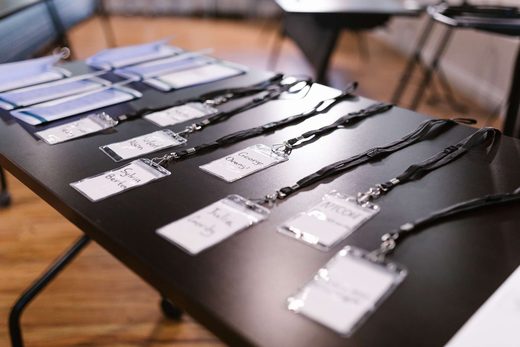
-
Sep 232026
The floor plan is homework
The agenda budgets fifteen minutes between sessions. The building doesn’t know that — and at a sprawling venue, walking the distance is the whole fifteen minutes.
Connor Griggs · 6 min read
-
Sep 232026
The coffee break is not a break
Every other block on the agenda has an owner and a topic. The break has neither — which is exactly why it’s worth a decision instead of a default.
Connor Griggs · 6 min read
-
Sep 232026
What the registration desk tells you
The check-in line reads as friction before the conference actually starts. It is closer to the opposite — the one moment someone with current information is standing right in front of you.
Connor Griggs · 6 min read
-
Sep 222026
Sponsoring a session, or just showing up
A sponsorship invoice wears the same paperwork as a registration fee, but it’s answering a different question — and judging it by the wrong one always makes it look like overpaying.
Connor Griggs · 7 min read
-
Sep 222026
So you’re the one being interviewed
No slides, no fixed order, and a host who decides which thread to pull on next — the on-stage interview runs on its own etiquette, closer to a hallway conversation than a platform talk.
Connor Griggs · 7 min read
-
Sep 222026
Presenting a poster, not a podium
A platform talk holds one room for forty-five minutes. A poster holds one stranger for ninety seconds, then starts over — a genuinely different job, with its own tradecraft.
Connor Griggs · 7 min read
-
Sep 212026
The hallway track
The printed agenda is the planned part of a conference. A real share of its value happens in the corridor right after a session lets out — and almost nobody schedules for it.
Connor Griggs · 6 min read
-
Sep 212026
Bringing someone to their first flagship
A first flagship conference runs partly on standing, and a newcomer has none of it yet. Transferring some of that standing is the senior colleague’s job, not the newcomer’s.
Connor Griggs · 6 min read
-
Sep 212026
The venue with a metal detector
A hotel ballroom wants people inside. A regulator’s own campus is built to control who gets in at all — and the public meeting happening there is a guest on its premises.
Connor Griggs · 6 min read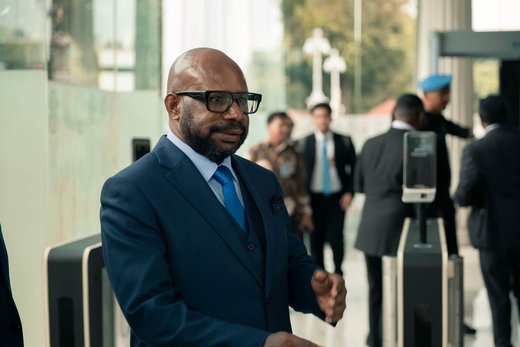
-
Sep 202026
Reading a regulator’s hedge words
“We’re exploring” and “we plan to” are not the same sentence. The careful qualifiers in a regulator’s remarks are usually the most deliberately chosen part of it.
Connor Griggs · 7 min read
-
Sep 202026
When the room agrees not to quote you
A workshop that runs under the Chatham House Rule changes what you can write down afterward — and the trip report is where that agreement actually gets tested.
Connor Griggs · 7 min read
-
Sep 202026
Job hunting, quietly, at a conference
A flagship week puts an unusual amount of your professional world in one building. Being deliberate about that, without turning your employer’s travel budget into cover for something else.
Connor Griggs · 7 min read
-
Sep 192026
The room before it fills up
A conference room right after a session is a crowded scrum. The same room fifteen minutes before it opens is something else entirely — and almost nobody plans around it.
Connor Griggs · 6 min read
-
Sep 192026
Where you sit in a hearing room
The dais, the mic queue, the aisle seats near the door — a hearing room’s furniture decides what you can do in it. Choosing where you sit is one of the few free decisions left.
Connor Griggs · 6 min read
-
Sep 192026
Leaving a workshop with a next step, not just goodwill
Shared agreement in a working session feels like a decision while everyone’s still in the room. A week later, only the part that got assigned a name and a date is still real.
Connor Griggs · 6 min read
-
Sep 182026
Getting fifteen minutes with someone senior
The nerve to walk over gets most of the attention. What actually sinks the request is asking for something too vague for a busy person to say yes to on the spot.
Connor Griggs · 6 min read
-
Sep 182026
When your organization sends a delegation, not just you
Splitting a conference with colleagues is an internal efficiency problem. Representing your organization as one coordinated voice in front of counterparts is a different job.
Connor Griggs · 7 min read
-
Sep 182026
Speaking for your organization, not for yourself
A conference panel expects your own opinion. A seat with your organization’s name on the placard expects something else entirely — and the room can’t hear the difference from tone alone.
Connor Griggs · 7 min read
-
Sep 172026
The colleague you only see once a year
Some professional relationships run entirely on a conference’s annual cadence. What makes that sustainable, and what happens if either of you stops attending.
Connor Griggs · 6 min read
-
Sep 172026
Splitting one slot between two speakers
A co-presented talk is two performances stitched together live — splitting the material, rehearsing the handoff, and agreeing who answers what questions.
Connor Griggs · 7 min read
-
Sep 172026
Choosing among five sessions in the same hour
Five concurrent sessions, one hour, almost no information to choose with. Reading the abstract, weighting scarcity, and picking a fallback in advance.
Connor Griggs · 6 min read
-
Sep 162026
The volunteer job inside the conference
A board seat, chapter office, or committee role can turn the flagship week into two jobs at once. What the second one requires, and how not to lose the first.
Connor Griggs · 7 min read
-
Sep 162026
Splitting a conference with your team
Two or three colleagues at one event need a plan, not just extra badges — splitting tracks, syncing each evening, and naming one owner for the report.
Connor Griggs · 7 min read
-
Sep 152026
Your slides, after the talk
Someone emails for the deck twenty minutes after you sit down. Why a slide built to be narrated reads differently alone, and what to send instead.
Connor Griggs · 6 min read
-
Sep 152026
Talking to a competitor at a conference
Regulatory conferences put you next to direct competitors constantly, and almost all of it is fine. The short, specific list of topics that genuinely isn’t.
Connor Griggs · 6 min read
-
Sep 152026
So you’re the one responding
You have eight minutes to say something useful about a talk you may be hearing for the first time. Not a rebuttal, not a second talk — a specific, well-earned reaction.
Connor Griggs · 7 min read
-
Sep 142026
Evaluating the vendor demo, not just the badge scan
A good demo is a rehearsed performance on someone else’s best data. What actually tells you whether the product solves your problem, not theirs.
Connor Griggs · 6 min read
-
Sep 142026
The introduction is not the deal
The enthusiasm built in fifteen minutes at a booth is real. It is not yet a commitment — only your own organization’s process can make one of those.
Connor Griggs · 6 min read
-
Sep 142026
So you’re the one giving the toast
A conference talk gives you weeks of notice. Getting handed the mic at a dinner or a send-off gives you none — a different genre, with its own short rules.
Connor Griggs · 6 min read
-
Sep 132026
Spotting the sponsored session
The label in the agenda tells you who paid for the slot, not whether it belongs on your calendar. The reliable tell is the byline, not the badge.
Connor Griggs · 6 min read
-
Sep 132026
The vendor hospitality question
A badge scan can turn into a meal, a gift, or a travel offer. Whether you can accept it is your own employer’s policy to answer — not the vendor’s.
Connor Griggs · 6 min read
-
Sep 132026
Crossing a border for a conference
A flight and a hotel room can be booked in an afternoon. Confirming you can actually enter the country runs on a much longer, much less forgiving clock.
Connor Griggs · 6 min read
-
Sep 122026
The readout meeting after the trip
A report is read alone, later, at someone else’s pace. A readout has to work live, in the room, or it doesn’t work at all — who to invite, and why the live Q&A is the whole point.
Connor Griggs · 6 min read
-
Sep 122026
When the abstract doesn’t get accepted
A form rejection reads like a verdict on the work. It usually isn’t. What a program committee’s decision actually means, and what’s left to do next.
Connor Griggs · 6 min read
-
Sep 122026
Attending a public meeting you won’t speak at
Not every advisory committee meeting or town hall needs a question from you. What changes when you’re there only to listen, and why the room still beats the transcript.
Connor Griggs · 6 min read
-
Sep 112026
When you can’t go after all
Nothing about the event changed. You’re the one who can no longer be in the room — what transfer and refund policies usually allow, and how to keep the seat from going to waste.
Connor Griggs · 7 min read
-
Sep 112026
So you’re the one reviewing
Someone reads every abstract before the agenda is real. What a program-committee invitation actually commits you to, and the blind spots worth watching in yourself.
Connor Griggs · 7 min read
-
Sep 112026
Pacing yourself across a multi-day conference
The day-two fade is structural, not a personal failing. A method for pacing attention across a multi-day conference so day three gets your best thinking.
Connor Griggs · 7 min read
-
Sep 102026
Talking to the regulator standing next to you
An informal setting doesn’t make a conversation off the record. What’s actually worth asking a regulator in the hallway, and what belongs in the formal process instead.
Connor Griggs · 7 min read
-
Sep 102026
So you’re the one on the panel
You have a real position to put on the record, and almost none of the control a solo speaker or a moderator has over how the hour actually unfolds.
Connor Griggs · 7 min read
-
Sep 102026
Claiming the CE credit you already earned
The credit doesn’t fail to exist because the session wasn’t accredited — it fails to get claimed because the moment passes. A same-day procedure that fixes it.
Connor Griggs · 6 min read
-
Aug 52026
Staying for the last session
The closing block always thins out — that’s flight schedules, not content. What a smaller room is actually good for, and booking the later flight on purpose.
Connor Griggs · 6 min read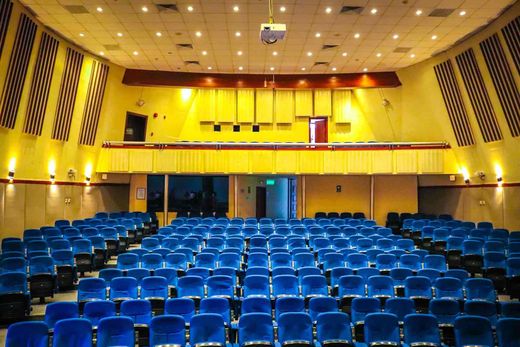
-
Aug 52026
The workshop is not a lecture
A capped headcount is not a marketing detail — it means the room is small enough that silence gets noticed. What to bring, and how to contribute as the newest person in it.
Connor Griggs · 6 min read
-
Aug 52026
Writing the abstract that gets accepted
Presenting starts once the abstract is already accepted. What happens before that — the three hundred words a program committee can actually say yes to.
Connor Griggs · 7 min read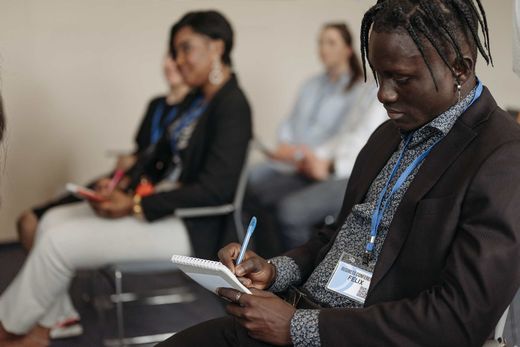
-
Aug 22026
When you think the podium got it wrong
Being right doesn’t make the floor mic the right tool. Where a genuine disagreement with a speaker actually belongs — in conversation, or on the record.
Connor Griggs · 7 min read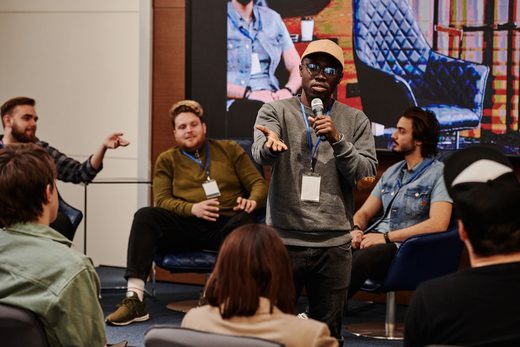
-
Aug 22026
When to walk out of a session
A session is a bet made on an abstract, and some bets don’t pay off. A deadline for deciding, and how to leave without it reading as a verdict on the talk.
Connor Griggs · 6 min read
-
Aug 22026
You can’t make all three dinners
A sponsor dinner, a reception, and a meetup all land for the same two hours. Choosing one on purpose beats sampling all three badly.
Connor Griggs · 7 min read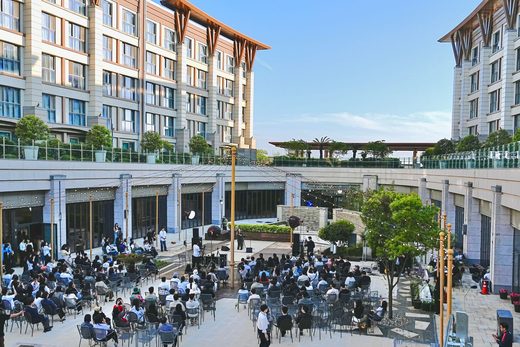
-
Aug 12026
When to let a conference go
Attending a conference every year turns a decision into a habit nobody re-checks. What your last few trip reports actually say, and what to do instead of renewing on autopilot.
Connor Griggs · 6 min read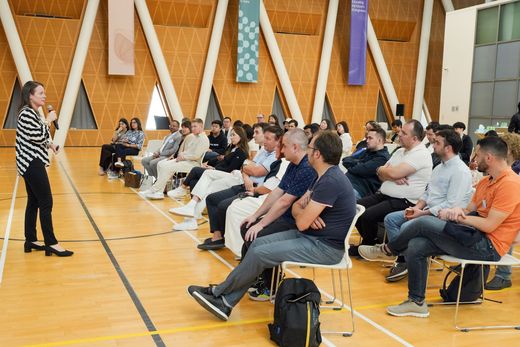
-
Jul 312026
The slide photo nobody looks at again
Photographing a slide feels like retaining it. Mostly it just defers the information, permanently. The one-line habit that makes the photo worth taking, and when to put the phone down instead.
Connor Griggs · 6 min read
-
Jul 312026
So you’re the one moderating
Moderating is not a smaller version of presenting. Running someone else’s panel well — the clock, the balance, and the pre-brief that prevents most of what goes wrong live.
Connor Griggs · 7 min read
-
Jul 312026
The colleague you send
Sending someone to their first regulatory conference well is a different skill than attending one. Choosing their event, giving them one goal, and the debrief that makes the next trip easier to approve.
Connor Griggs · 7 min read
-
Jul 272026
Networking for people who hate networking
The reception is the hardest room in the building, and you don’t actually have to work it. A smaller, structured version of networking for people who would rather be in the session.
Connor Griggs · 8 min read
-
Jul 272026
Conference, workshop, webinar, town hall — what each format is actually built to do
A workshop is not a small conference. A town hall is not a webinar with a government logo. Six shapes the regulatory calendar comes in, and how to spot each one before you register.
Connor Griggs · 8 min read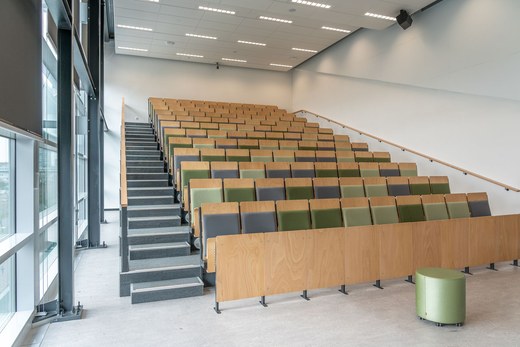
-
Jul 272026
When the conference changes on you — postponements, venue swaps, and the trip you already booked
Not every organizer notice reopens an approved trip, but some do. A triage for telling the difference, what to do about money already spent, and how to tell your manager before they have to ask.
Connor Griggs · 7 min read
-
Jul 272026
Exhibiting, not just attending — what changes when your company has the booth
Staffing a booth is a different job than working the floor as an attendee — a different budget conversation, a different success metric, and a different set of sentences that are yours to say.
Connor Griggs · 8 min read
-
Jul 272026
The trip report that actually gets read
Most trip reports die in an inbox because they were written for no one in particular. Who to write for, the one-page shape that survives skimming, and why a year of them is worth more than any one of them.
Connor Griggs · 8 min read
-
Jul 242026
Flagship or regional — choosing between an event and its international counterpart
RAPS Convergence and RAPS Euro Convergence. DIA Global and DIA Europe. What the shared branding actually promises, and a short test for telling which edition answers this year’s question.
Connor Griggs · 8 min read
-
Jul 242026
Planning the conference year — when the budget covers more than one
One conference is a decision. A portfolio of them is a plan you have to sequence — against submission dates, not against a ranked list of the best events.
Connor Griggs · 8 min read
-
Jul 242026
So you’re the one presenting — preparing your first regulatory conference talk
Asking a question from the floor takes thirty seconds of nerve. Standing at the podium is a different job — the part of it nobody warns you about.
Connor Griggs · 9 min read
-
Jul 232026
Your first regulatory conference — the logistics nobody puts on the agenda
Pass types, hotel blocks, expense rules, what to pack, and what the first-timer ribbon on your badge actually means — the mechanics that decide a first conference, not the sessions.
Connor Griggs · 8 min read
-
Jul 232026
Webinar or the flight — deciding when virtual is actually the better trip
“Webinar” is not the cheap seat you fall back to. A method for deciding what a trip is actually buying — and how to get real value out of the sessions that never need a boarding pass.
Connor Griggs · 7 min read
-
Jul 232026
Asking a good question — at a conference mic, or in the public record
The room can tell within a sentence whether your question was worth the line. What makes a floor question land, and what changes when the room is a formal public meeting entering the record.
Connor Griggs · 8 min read
-
Jul 232026
How to choose a regulatory conference — when the budget covers one
Registration, flights, hotel, and three days out of the building make a conference the most expensive training your team buys. A method for picking the one that earns it.
Connor Griggs · 8 min read
-
Jul 232026
Getting the conference approved — a business case your manager can sign
“I’d learn a lot” has never gotten a trip approved. What a signable case looks like, what a yes actually costs your manager, and why the early-bird deadline is your friend.
Connor Griggs · 7 min read
-
Jul 232026
How to work a regulatory conference
The agenda is public; the value is not. Planning the days like an editor, working the hallway track without being a card-spammer, and landing the follow-up inside 48 hours.
Connor Griggs · 9 min read
Nothing matches that search.
The essays plan the trip. The directory holds the dates.
Every listing on Regulatory Events is verified against the organizer’s own pages and stamped with the day we checked. Start with the calendar, not the search engine.