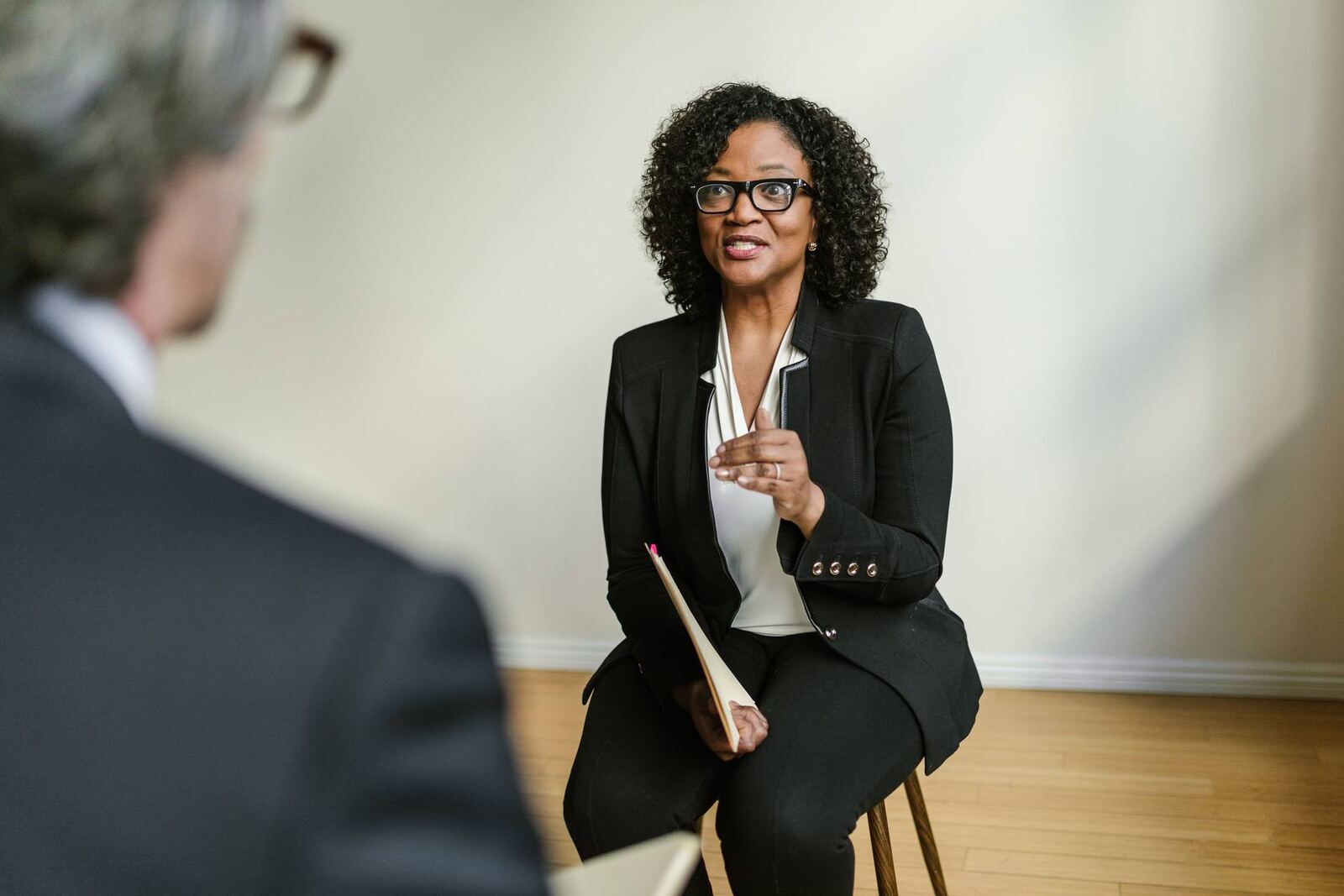

A trade reporter working a conference floor isn't booking a formal interview slot; they're collecting color between sessions, and an attendee willing to say something specific and quotable is worth more to them than another vague statement from a press officer. Being approached feels flattering, and the thirty seconds right after "mind if I ask you a quick question" is exactly when most people say more than they meant to. None of this requires avoiding reporters. It requires knowing, before you're asked, which of three answers you're giving.
Three answers, not one
"On the record" means your name and title can run next to what you said, and it's worth treating as a real commitment, not a formality — assume it will be printed roughly as said. "On background" means the reporter can use the substance but not attribute it to you by name, which only works if you agree to it explicitly before you start talking, not after you've already said something you'd rather not see quoted. "No comment, but let me point you to someone who can speak to that" is a complete, professional answer on its own, and costs you nothing — declining doesn't need an excuse attached to it.
Know your own policy before the question, not during it
Plenty of employers have a specific rule about who's authorized to speak to press on the organization's behalf, and it's worth knowing yours before a reporter is standing in front of you, the same way the essay on speaking for your organization argues for knowing it before a session Q&A. If your employer requires press questions to route through a communications team, that's a fast, easy answer to give a reporter on the spot — "that goes through our comms office, I can connect you" — and it protects you from having to improvise the organization's position on the fly.
What "off the record" doesn't actually protect
Even without a name attached, a specific enough detail — your company, your project, the exact phrase you used — can still identify you to anyone reading closely, including your own colleagues. This is the same gap the Chatham House Rule essay describes for session content: the rule protects attribution, not always identifiability. If you actually want to stay unidentifiable, staying vague about specifics is a better guarantee than trusting the agreement alone to do that work for you.
If it was worth talking to you, say so afterward
A reporter working your part of the floor is useful information for whoever handles press at your own organization, whether or not you said anything quotable. A short note afterward — who was asking, what they seemed interested in — costs a minute and means the next colleague they approach isn't caught as unprepared as you might have been the first time.
Worth a look in the directory
- RAPS AI in Regulatory Conference 2026 — Nov 5–6, 2026
- DIA-MHRA Global Summit 2026 — Nov 16–17, 2026
- HMA/EMA Multistakeholder AI and Data Forum 2026 — Nov 12–13, 2026
More from Save the Date
Essays are editorial: they describe how we plan and attend events, not rules. Event listings on this site are verified against the organizer’s own pages — but confirm dates and pricing with the organizer before booking anything.