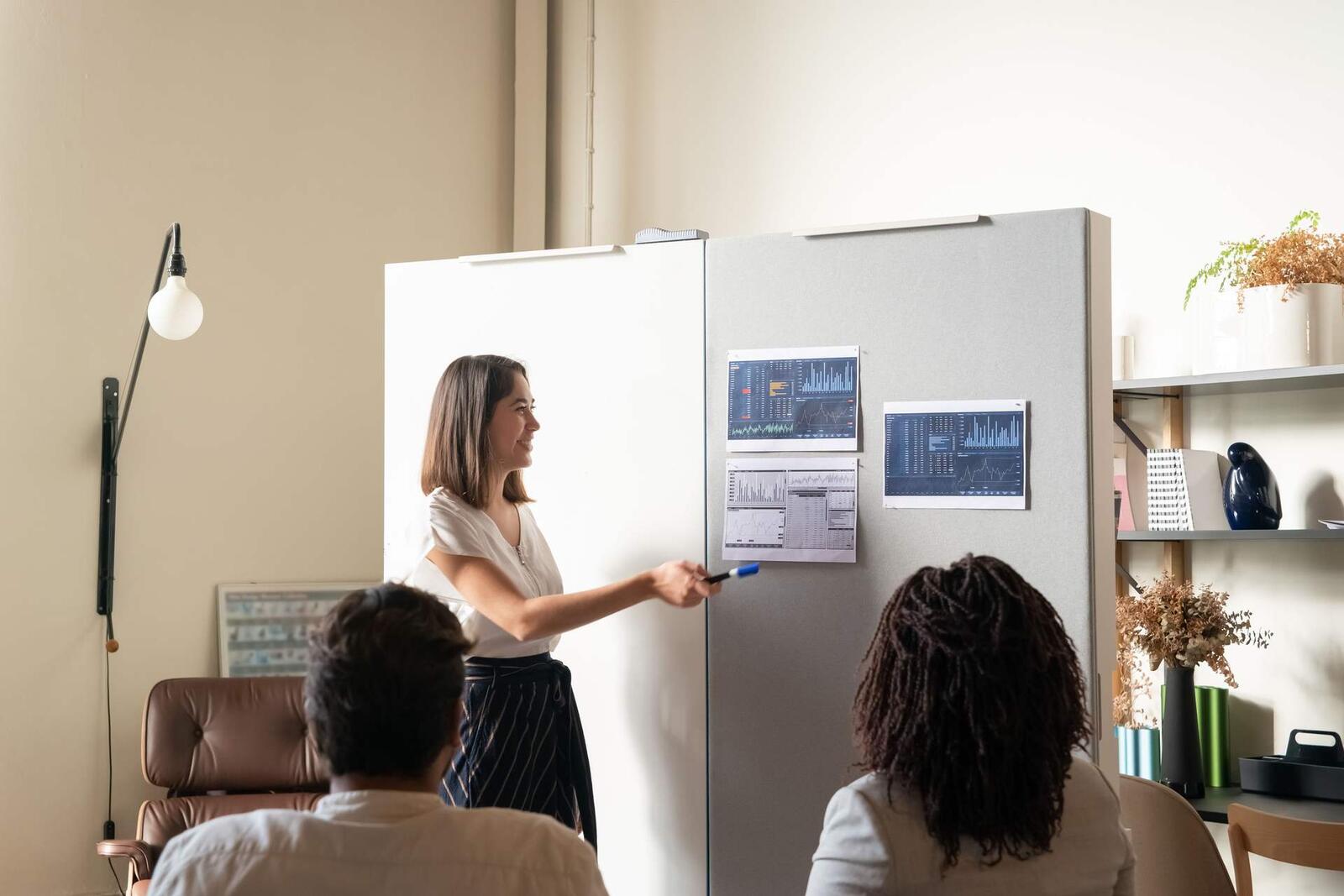

A strong parallel session two rooms over, an 8am slot, a niche topic a program committee took a chance on — there are a dozen ordinary reasons a room ends up with twelve chairs filled instead of two hundred, and almost none of them have anything to do with whether the talk is good. The harder part isn’t walking out to a half-full room. It’s resisting the urge to read the count as a verdict and deliver a smaller, sadder version of the same talk anyway.
What a small room is actually telling you
Five sessions running in the same hour are quietly competing for the same badges, and the essay on choosing among them makes the case from the attendee’s side: most people in that position are making the call with almost no information, picking by title, by speaker name recognition, or by which room is closer. The room sizes that result say far more about the schedule than about any one talk's quality — a flagship panel opposite your slot can empty a room of people who would otherwise have been glad to hear you. None of that is visible from the stage. What is visible is twelve chairs, and the instinct to read them as a judgment on the work that got you the slot in the first place.
Performance versus conversation
A talk built for a packed ballroom usually has a shape: a fixed run of slides, questions held to the final five minutes, a pace designed to carry across a room too large for anyone to interrupt comfortably. None of that shape is required with twelve people, and keeping it anyway is the actual mistake — not the room size. Open the floor early. Ask the room what it already knows about the topic before telling it what you planned to say. A small room is structurally a better room for genuine back-and-forth than a large one will ever be; the chairs that didn’t fill are also chairs that would have made real conversation impossible if they had.
What not to do
The single worst option is naming the turnout out loud — a rueful joke about the empty chairs, an apology for the room, a visible recalibration of effort delivered as a bit. Whatever goodwill it seems to buy costs more than it earns: the twelve people who showed up now know you noticed, and some part of what follows reads as the diminished talk you just told them it would be. The essay on a first conference talk covers the preparation that gets you to the room in the first place; what happens once you’re standing in it, facing fewer chairs than you’d hoped, is a separate discipline — and it starts with saying nothing about the count at all.
Worth a look in the directory
- PDA Cleaning Validation Workshop 2026 — Oct 15, 2026
- AAMI: Medical Device Software Validation — Oct 27–29, 2026
- RAPS Workshop: Global Device Inspections — Oct 27, 2026
More from Save the Date
Essays are editorial: they describe how we plan and attend events, not rules. Event listings on this site are verified against the organizer’s own pages — but confirm dates and pricing with the organizer before booking anything.