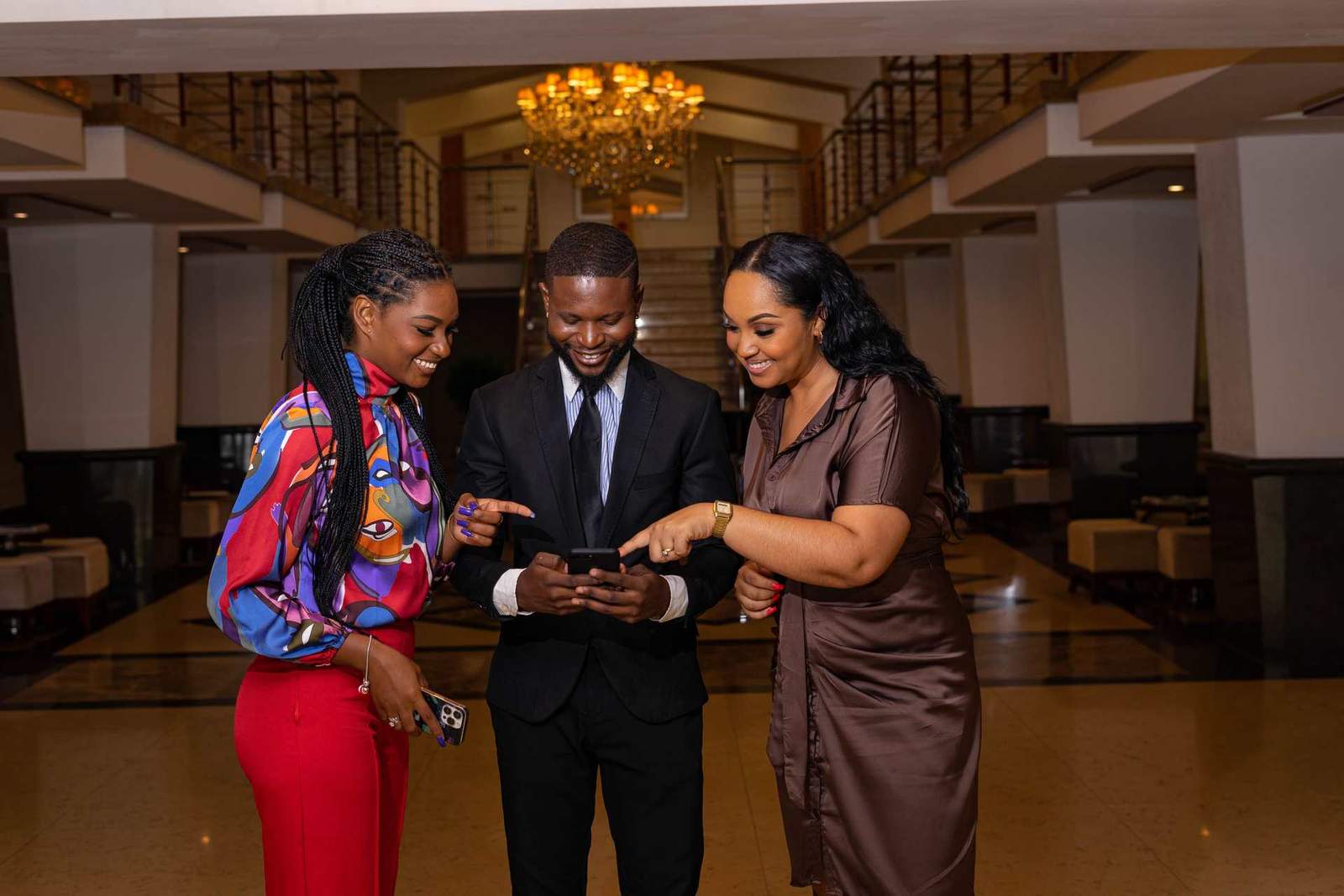

The hotel attached to the conference, or the one across the street from the convention center, is almost never the cheapest room within a mile of the venue. A ten-minute rideshare in either direction usually finds something for less. The price difference is real, and so is what it buys: the host hotel's lobby, bar, and breakfast room are where a meaningful share of a flagship conference actually happens, informally, after the sessions have ended for the day. Booking the cheaper hotel doesn't just save money — it opts you out of a part of the event that never appears on the agenda.
What the lobby is actually for
By early evening, the people still at a flagship conference's host hotel are largely the people who were in the sessions all day, which makes the lobby and bar a room full of context you don't have to build from scratch. A conversation that would take a scheduled meeting to arrange during business hours happens there by accident, because both of you are already standing in the same space with nowhere else to be. The corridor conversations that happen between sessions during the day have an evening counterpart, less structured and often more candid, and it only exists for people who are actually staying in the building where it's happening.
When the premium is worth paying
The case is strongest for a multi-day flagship where relationship-building is a real part of why the trip got approved in the first place — meeting counterparts you only see once a year, building the kind of familiarity that makes a cold email land differently next time. It's weaker for a single-day workshop with a narrow technical agenda, where you're there to absorb specific content and leave, and weaker still on a tight budget where the honest comparison is the host hotel's premium against a cheaper room a short walk away. Neither case is a rule; both are worth running the numbers on before defaulting to whichever the previous year's trip happened to book.
If you stay elsewhere, go back on purpose
Booking the cheaper hotel doesn't have to mean giving up the evening entirely — it means the visit becomes deliberate instead of automatic. Walking back to the host hotel's bar for an hour after dinner, rather than assuming you'll simply be there because that's where you're sleeping, recovers most of the value at none of the room-rate premium, provided you actually do it instead of deciding from your own hotel room that it's been a long day. The habit that costs you the informal evening isn't which hotel you book — it's treating the day as over once the last session ends.
It's a budget line worth naming out loud
Like the extra night before a flagship starts, the host-hotel premium is easiest to defend when it's raised at the same time as the rest of the trip's budget, framed honestly as what it is: a cost attached to the informal, unscheduled part of the conference rather than the sessions themselves. Treated that way, it's a normal line item with a clear rationale, not an indulgence that has to be justified after the fact.
Worth a look in the directory
- 2026 ISPE Annual Meeting & Expo — a multi-day flagship where the evening host-hotel hours carry real weight
- DIA 2027 Global Annual Meeting — a large flagship built as much around relationships as sessions
More from Save the Date
Essays are editorial: they describe how we plan and attend events, not rules. Event listings on this site are verified against the organizer’s own pages — but confirm dates and pricing with the organizer before booking anything.