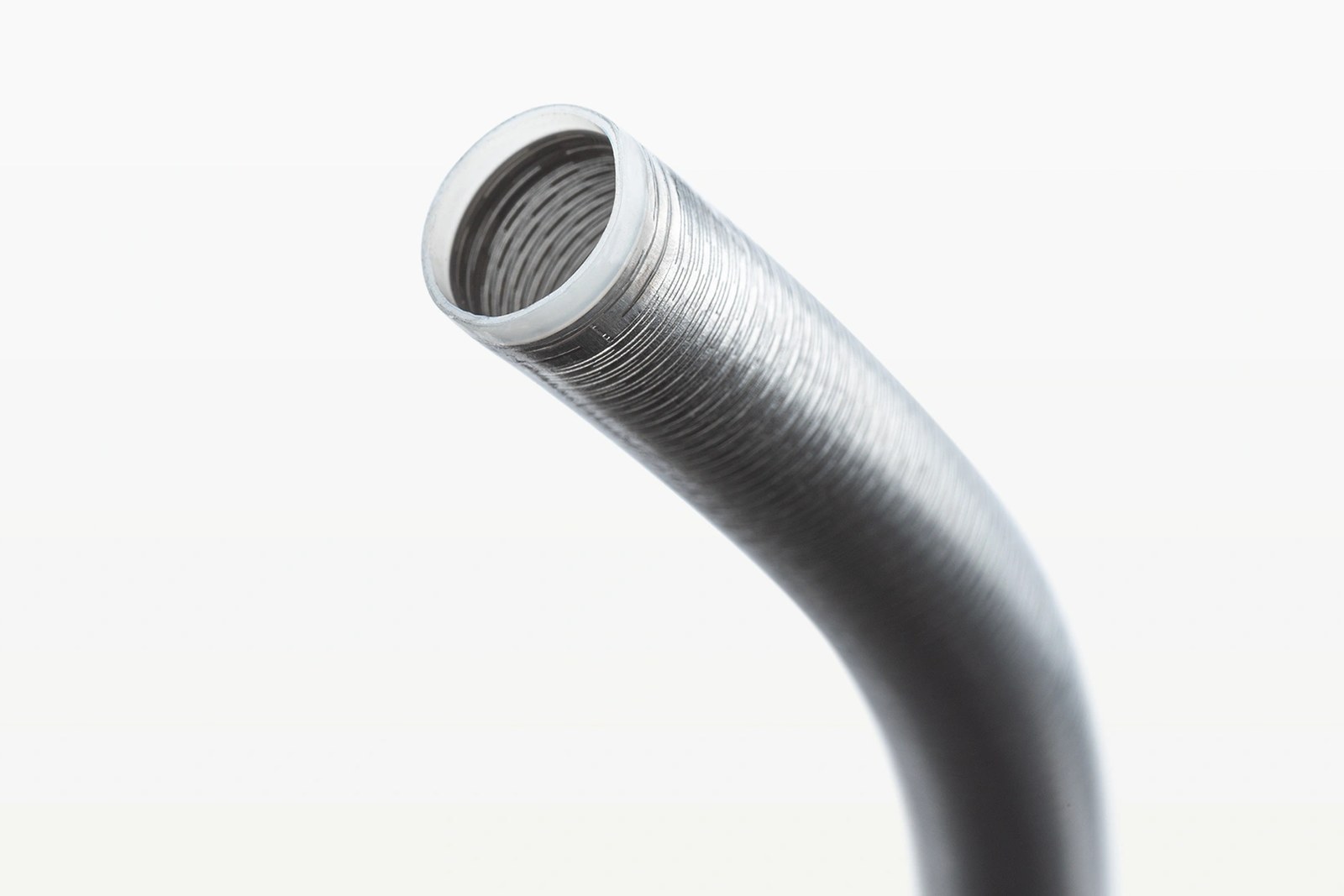


Penumbra has won FDA clearance for its Lightning computer-assisted vacuum thrombectomy (CAVT) system to treat deep vein thrombosis — the first cleared DVT indication among mechanical thrombectomy devices, according to the company. The Alameda, California device maker announced the clearance on 20 October 2026, extending a platform built for stroke and pulmonary embolism into a disease still treated almost exclusively with blood thinners.
BOLT-DVT, in four numbers
Figures from the BOLT-DVT Investigational Device Exemption trial (NCT05003843), cited in Penumbra's 20 October 2026 announcement.
Where DVT treatment dollars actually go
Deep vein thrombosis has had one default treatment for decades: anticoagulation, a blood thinner that stops a clot from growing while the body slowly clears it over weeks or months, often with the leg left swollen and painful in the meantime. The DVT-specific device and treatment market is small by device-industry standards — one estimate puts it at $681 million in 2024, rising to about $1.0 billion by 2030; a separate estimate values it at $813 million in 2022, rising to $1.42 billion by 2030 — in part because, until this month, no mechanical device had a cleared indication to treat DVT directly. The clearance does not make DVT dollars larger on its own; it gives mechanical thrombectomy, for the first time, a cleared way to compete for them.
Sizing a category mechanical thrombectomy just entered
$813M → $1.42B
The global DVT treatment market, 2022 to 2030, as forecast by MarketDigits; a separate estimate puts 2024 DVT spending at $681 million, rising to about $1.0 billion by 2030 — publishers disagree on the base, not the direction.
Sources: MarketDigits, "Deep Vein Thrombosis (DVT) Treatment Market" report, via GlobeNewswire · "Global Deep Vein Thrombosis (DVT) Market to Reach US$1.0 Billion by 2030"
Regulatory News outlook
We expect the DVT-specific device segment to grow faster than either published forecast once a cleared mechanical option exists to compete with anticoagulation-only care — on the order of $1.6 billion by 2030, roughly 15% above MarketDigits' own number.
How we got here: MarketDigits' $813 million 2022 base compounded at 9% a year for 8 years (two points above its own published 7.2% CAGR, reflecting a first cleared mechanical-device entrant rather than drug-only growth): $813M × 1.09^8 ≈ $1.62 billion by 2030.
Lightning CAVT against how DVT gets treated now
| Approach | Mechanism | FDA status for DVT | Typical course |
|---|---|---|---|
| Lightning CAVT (Penumbra) | Computer-assisted vacuum thrombectomy | FDA-cleared for DVT, Oct 2026 | Single session, ~18 min device time |
| Anticoagulation alone | Oral blood thinners (e.g. apixaban, rivaroxaban) | FDA-approved drugs; not a device | Weeks to months of therapy |
| Catheter-directed thrombolysis | Clot-dissolving drug infused via catheter | No DVT-specific device clearance of this kind | Multi-day infusion, ICU monitoring |
| Other mechanical thrombectomy devices | Mechanical aspiration or maceration | No FDA-cleared DVT indication, per Penumbra | Varies by device |
From Penumbra's own announcement and standard DVT treatment practice; not a clinical comparison.
What BOLT-DVT actually measured
The clearance rests on BOLT-DVT (NCT05003843), a prospective, multicenter Investigational Device Exemption trial that used CAVT as a first-line treatment for acute iliofemoral DVT. Investigators reported complete or near-complete thrombus removal in 98% of patients, a median device time of 18 minutes, and a major adverse event rate of 3.1% at 48 hours, with no device-related deaths. Thirty-day follow-up showed a re-thrombosis rate of 3.9% and vessel patency between 88.8% and 96.3%, depending on the segment treated — single-arm, company-reported results, without a randomized comparison against anticoagulation alone.
Three things the DVT clearance changes
First cleared DVT device
No mechanical thrombectomy device held a cleared DVT indication before this one, according to Penumbra — the standard of care has been anticoagulation alone.
18-minute device time
BOLT-DVT reported a median device time of 18 minutes to clear a clot in a single session, against weeks to months of blood-thinner therapy.
Built on stroke platform
Lightning CAVT is an indication expansion of an aspiration platform Penumbra already sells for stroke and pulmonary embolism, not a new device needing its own commercial build-out.
The clearance that followed the stroke device
Penumbra built its business on removing clots from the brain. Founded in Alameda, California in 2004 by neuro-interventional surgeon Arani Bose and attorney-turned-executive Adam Elsesser, the company's first products targeted ischemic stroke, and it has spent two decades extending the same aspiration-based approach — now branded CAVT, for computer-assisted vacuum thrombectomy — into pulmonary embolism and, as of 20 October 2026, deep vein thrombosis.
“The standard treatment for DVT has been anticoagulation and there has not been a meaningful change in standard of care for decades.” Patrick E. Muck, MD, vascular surgeon, TriHealth, Cincinnati, and BOLT-DVT co-principal investigator
A deal already in motion
From Alameda startup to a pending $14.5 billion sale
- 21 June 2004
Penumbra founded
Founded in Alameda, California, by Arani Bose, MD, and Adam Elsesser, initially targeting ischemic stroke.
- 2015
NYSE listing
Penumbra went public under the ticker PEN.
- April 2024
Lightning Flash 2.0 cleared
The CAVT platform's prior FDA clearance, for venous thrombus and pulmonary embolism.
- 14 January 2026
Boston Scientific agreement
Boston Scientific agreed to acquire Penumbra at roughly $374 a share, an enterprise value near $14.5 billion, paid approximately 73% cash and 27% stock.
- 20 October 2026
Lightning CAVT cleared for DVT
FDA clearance for the deep vein thrombosis indication, based on the BOLT-DVT trial.
- Expected later 2026
Boston Scientific deal expected to close
Subject to Penumbra shareholder approval and customary regulatory clearances; still pending as of Penumbra's most recent quarterly filing.
The DVT clearance lands nine months into a definitive agreement for Boston Scientific to acquire Penumbra, a deal still pending as of Penumbra’s most recent quarterly SEC filing. Neither company has said the clearance changes the deal’s terms or timeline; what it does change is the portfolio Boston Scientific would own once the transaction closes, adding a first-of-its-kind DVT indication to a CAVT platform already cleared for pulmonary embolism and arterial clot removal.
- What’s cleared: Lightning CAVT for deep vein thrombosis, announced 20 October 2026, based on the BOLT-DVT IDE trial.
- What’s pending: Boston Scientific's agreement to acquire Penumbra for roughly $14.5 billion, announced 14 January 2026, still awaiting close.
- What’s not yet public: The FDA 510(k) K-number for the DVT indication, and any randomized trial comparing CAVT against anticoagulation alone.
Sources & further reading
- Penumbra, Inc., “Penumbra's CAVT Technology Receives FDA Clearance for the Treatment of Deep Vein Thrombosis (DVT),” press release, PR Newswire, 20 October 2026. prnewswire.com
- EV Today, “Penumbra's CAVT Technology Cleared for DVT Indication.” evtoday.com
- HMP Global Learning Network / Cath Lab Digest, “Penumbra's CAVT Technology Receives FDA Clearance for the Treatment of Deep Vein Thrombosis.” hmpgloballearningnetwork.com
- ClinicalTrials.gov, “BOLT-DVT: Study of the Indigo Aspiration System When Used in Patients With Deep Vein Thrombosis,” NCT05003843. clinicaltrials.gov
- Penumbra, Inc., Form 10-Q, period ended 30 June 2026 (Boston Scientific merger agreement disclosure). sec.gov
- Boston Scientific Corporation, Form 8-K re: agreement to acquire Penumbra, Inc. sec.gov
- MarketDigits, “Deep Vein Thrombosis (DVT) Treatment Market projected to reach USD 1,417.9 Million by 2030,” GlobeNewswire, 29 November 2023. globenewswire.com
- “Global Deep Vein Thrombosis (DVT) Market to Reach US$1.0 Billion by 2030.” giikorea.co.kr
Regulatory News reports on public regulatory documents. It is not legal advice, and the primary sources above govern. If we have made an error, we will say so in public: see corrections.
Frequently asked questions
What did FDA clear for Penumbra?
An expanded indication for the company's Lightning computer-assisted vacuum thrombectomy (CAVT) system, now cleared to treat deep vein thrombosis, announced 20 October 2026. It is an indication expansion of an existing aspiration platform, not a new device.
What evidence supported the clearance?
The BOLT-DVT Investigational Device Exemption trial, a single-arm study that reported complete or near-complete thrombus removal in 98% of patients, a median device time of 18 minutes, and a 3.1% major adverse event rate at 48 hours.
Is Penumbra being acquired?
Yes. Boston Scientific agreed in January 2026 to acquire Penumbra for roughly $374 a share, an enterprise value near $14.5 billion. The deal was still pending as of Penumbra's most recent quarterly SEC filing and is unrelated to this clearance.
How was DVT treated before this clearance?
Primarily with anticoagulation (blood thinners) alone, over weeks to months. No mechanical thrombectomy device previously held a cleared indication specifically for DVT, according to the company.