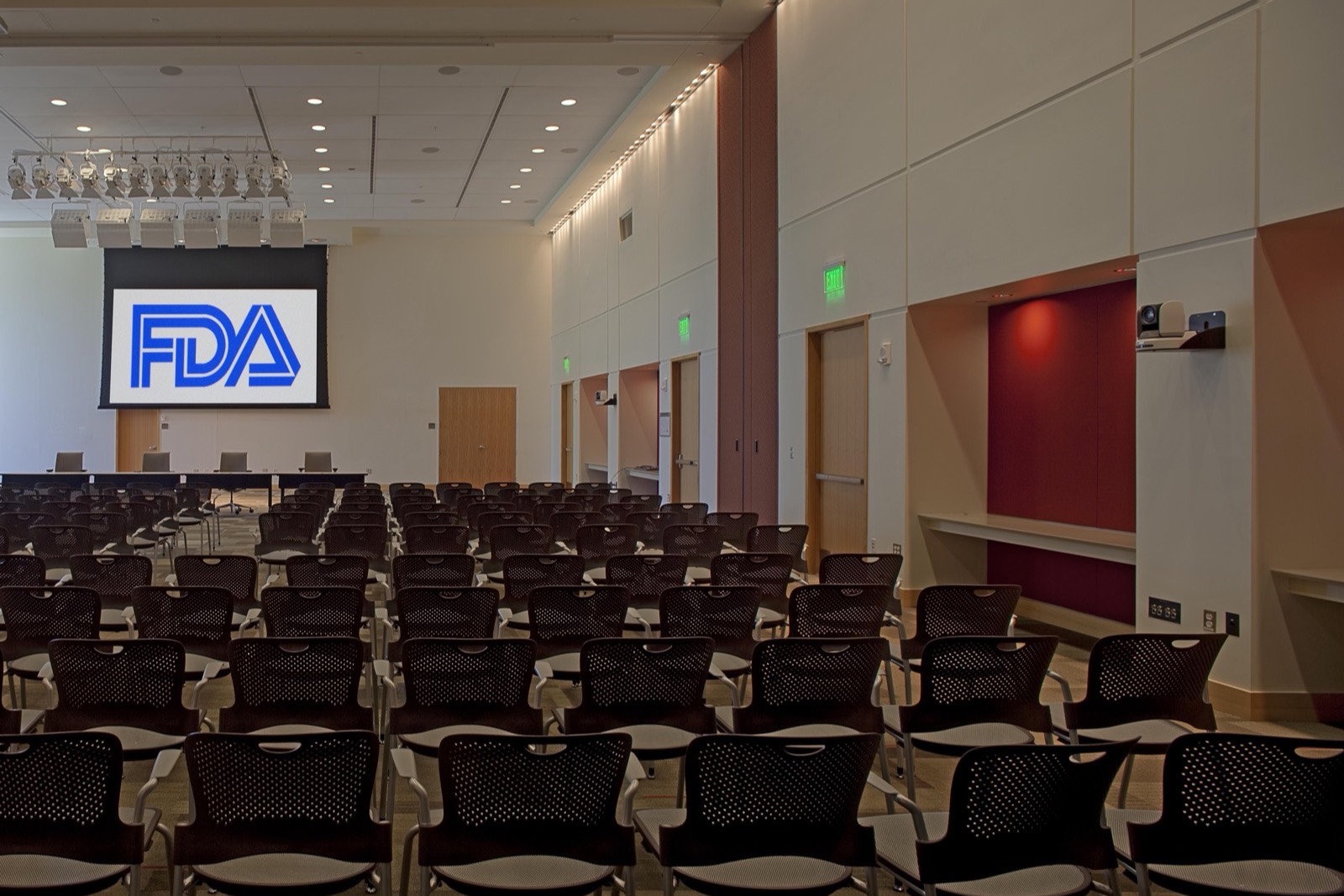

On 14 July 2026 — in the same Federal Register issue that finalised its psychedelic clinical trial guidance — FDA announced a public hearing on the question that guidance does not reach: what the therapeutic use of these drugs should look like if they are approved. It is set for 14 September, and the agency has drawn its boundaries in advance.
What FDA announced
The hearing will run under 21 CFR part 15 — FDA's format for informal public hearings, where a presiding officer and a panel hear presentations, the rules of evidence do not apply, and only the panel may ask questions. The notice says the panel will include subject matter experts from the Center for Drug Evaluation and Research alongside “federal partner panelists”, and the hearing will be transcribed, with the transcript posted to the docket.
The framing phrase, used throughout, is the potential future therapeutic use of psychedelic drugs “in supervised and supportive settings”. That is the post-approval world: not whether any product works, but who would administer it, under what training, with what safeguards, at what cost, and generating what data. Anyone expecting a referendum on a pending application should read section III of the notice first.
The four topics
- Provider training and credentialing. The evidence base for curricula and who should endorse them; staffing and roles by phase of care — screening, administration and monitoring, follow-up — including non-prescriber personnel such as licensed counselors and peer support specialists; credentialing and licensure, from background education to supervision and practice hours.
- Promotion of patient safety. Set-and-setting practices; what informed consent should explicitly cover — the notice names the amplified power imbalance between patient and provider, therapeutic touch, and the risk of a challenging experience; screening for higher-risk conditions such as cardiovascular disease, psychosis, or suicidality; diversion mitigation; detecting and reporting ethical violations; and monitoring during and after administration.
- Considerations for access. Evidence needs for coverage, reimbursement, and payment models; provider–payor coordination; implementation practicalities — workforce, space, scheduling, storage, security, clinic capacity; and telehealth screening and follow-up.
- Data collection and standardization. Registries and coordinated registry networks; coordination across health records, claims, pharmacy data, adverse event reports, and state psychedelic programs; common data elements for drug, dose, indication, setting, and patient characteristics; and how to define and report adverse events for drugs with acute and long-term effects.
What FDA will not discuss
The notice closes section III with an unusually explicit exclusion list. FDA is not seeking comment on: the safety or effectiveness of any particular drug product or the merits of any pending application; the scheduling status of any substance under the Controlled Substances Act, “which is addressed through separate statutory processes”; legalization or decriminalization, or the merits of state and local programs — though it welcomes input on data collection from such programs; religious, ceremonial, or personal non-medical use; and individual disputes or complaints about specific practitioners.
“Comments and presentations addressing these topics may not be considered.” FDA, notice of public hearing, 14 July 2026 (Docket No. FDA-2026-N-7542)
The agency is also careful about its own reach: several of the topics “implicate the authorities of other federal agencies or of states”, and the notice says the input is to inform coordinated consideration, not to suggest FDA action outside its statute. Provider credentialing and payment models are not FDA's lane, and the notice says so.
Why now
The notice places the hearing inside a coordinated federal effort. It cites Executive Order 14401 of 18 April 2026, “Accelerating Medical Treatments for Serious Mental Illness”, which directs HHS and FDA to work with other agencies on clinical trial participation, data sharing, and real-world evidence for psychedelic drugs. It also recounts what the agency has already done: national priority vouchers issued in April 2026 to programs studying psilocybin for treatment-resistant depression and major depressive disorder and methylone for PTSD, and the earlier Breakthrough Therapy designations for MDMA and psilocybin programs. The notice is equally careful to say what none of that means: neither a voucher nor a designation “constitutes an FDA determination of safety or effectiveness”.
If you want to be heard
- By 21 August: register, and request presentation time if you want it. A request must name the presenter, any interests represented — including financial relationships with entities developing psychedelic products or services — and which of the four topics it addresses.
- Expect triage: FDA anticipates more requests than time and says it will select presenters for “broad representation of ideas and issues”. Groups with common interests are urged to consolidate behind a single presenter.
- By 5 October: submit written comments to Docket FDA-2026-N-7542. The notice commits to weighing timely written comments “equally with oral presentations” — presenting is not a prerequisite for being considered.
Frequently asked questions
When and where is the hearing?
14 September 2026, 12:30–4:30 p.m. ET, hybrid: in person at the White Oak Great Room, 10903 New Hampshire Ave., Silver Spring, MD, and online. Announced 14 July 2026 under Docket No. FDA-2026-N-7542.
What are the deadlines?
Registration, including requests to present, closes 21 August 2026 at 11:59 p.m. ET. Written comments are accepted until 5 October 2026; FDA says later comments will not be considered.
What does FDA want input on?
Four areas for supervised and supportive therapeutic use: provider training and credentialing, promotion of patient safety, considerations for access, and best practices for data collection and standardization.
What is out of scope?
The safety or effectiveness of any particular product or application; Controlled Substances Act scheduling; legalization or decriminalization and the merits of state programs; religious, ceremonial, or personal non-medical use; and complaints about specific practitioners. Comments on these “may not be considered”.
Sources & further reading
- FDA, “Considerations for Potential Future Therapeutic Use of Psychedelic Drugs; Public Hearing; Request for Comments”, Federal Register, 14 July 2026, 43095–43098 (Docket No. FDA-2026-N-7542). federalregister.gov
- The same notice as published, in PDF, from the Government Publishing Office. govinfo.gov
- Docket FDA-2026-N-7542 — where comments are filed and, after the hearing, where the transcript will be posted. regulations.gov
- Executive Order 14401, “Accelerating Medical Treatments for Serious Mental Illness”, 91 FR 21709, 22 April 2026 — the directive this hearing supports. federalregister.gov
Regulatory News reports on public regulatory documents. It is not legal advice, and the primary sources above govern. If we have made an error, we will say so in public: see corrections.