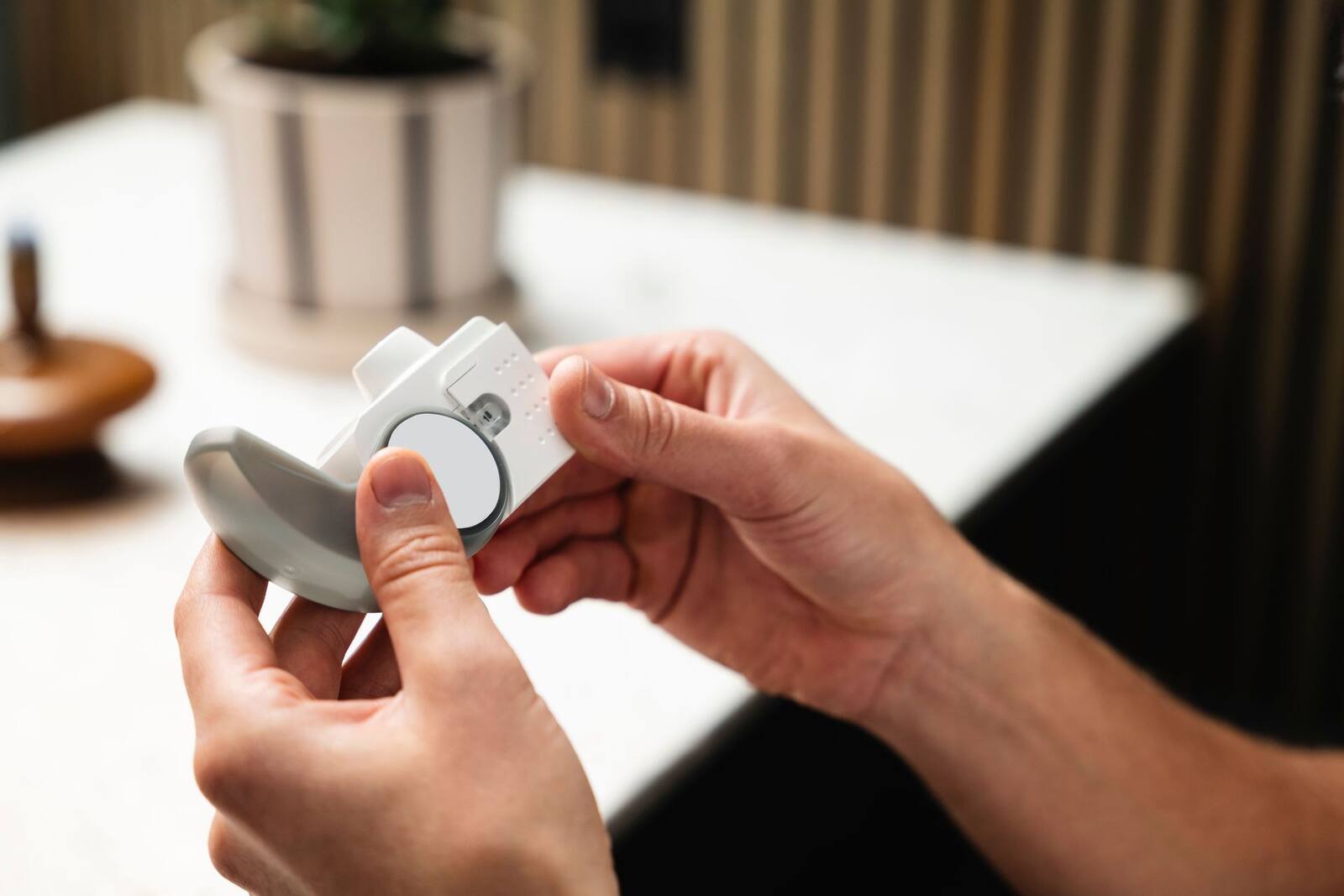

Pharaoh Neuro has won an FDA Breakthrough Device Designation for Neurapheresis, a closed-loop system designed to filter and return a neurocritical patient's own cerebrospinal fluid (CSF) without adding replacement fluid. The Minneapolis company announced the designation on 28 October 2026, alongside a place in FDA's Total Product Lifecycle Advisory Program (TAP) Pilot — two simultaneous channels for more frequent agency engagement as it works toward a pivotal study in aneurysmal subarachnoid hemorrhage (aSAH).
From a Minnetronix trial to a Minneapolis startup
Neurapheresis before and after the Series A
- Before 2026
PILLAR-XT trial
Minnetronix Neuro ran the prospective PILLAR-XT trial (NCT03607825), enrolling 27 patients to study the safety and feasibility of filtering a patient’s own CSF in neurocritical care — the clinical basis Pharaoh Neuro now cites for Neurapheresis.
- February 2026
$20 million Series A
Pharaoh Neuro closed an oversubscribed Series A led by Arboretum Ventures, with Hatteras Venture Partners, IAG Capital Partners and the Laerdal Million Lives Fund. Amaza Reitmeier, formerly of Medtronic, joined as CEO; Dr. Nandan Lad as CMO.
- July 2026
Board addition
HistoSonics chair and CEO Mike Blue joined Pharaoh Neuro’s board of directors.
- 28 October 2026
Breakthrough Device Designation
FDA designated Neurapheresis a Breakthrough Device and named Pharaoh Neuro to its TAP Pilot, for faster, more frequent agency engagement during development.
- Ahead
Pivotal study
Pharaoh Neuro has not disclosed a pivotal-study timeline; the designation is meant to speed that path, not shorten the evidence it will require.
“This designation is a significant milestone for Pharaoh Neuro.” Amaza Reitmeier, CEO, Pharaoh Neuro — 28 October 2026 announcement
What FDA designated, and what it did not
A Breakthrough Device Designation does not clear or approve a product; it is FDA’s acknowledgment that a device may offer more effective treatment of a life-threatening condition, earning the sponsor more frequent, interactive engagement with reviewers and a path toward expedited review once data are in hand. Pharaoh Neuro says Neurapheresis remains investigational, used only under an FDA Investigational Device Exemption; it has not been cleared or approved for commercial distribution in the United States.
The company is also naming itself a participant in FDA’s Total Product Lifecycle Advisory Program (TAP) Pilot, a separate mechanism meant to layer more structured, earlier agency interaction on top of the Breakthrough pathway. Pharaoh Neuro frames the two together as a reason to expect a faster, more predictable route to a marketing application — a claim that is the company’s own characterization of what the designations buy, not a guarantee FDA has made public.
Filtering CSF instead of draining it
Neurapheresis targets a specific complication of aneurysmal subarachnoid hemorrhage: blood and its breakdown products accumulating in the cerebrospinal fluid after an aneurysm ruptures, which can trigger vasospasm and further brain injury. The system is a closed loop — it draws out a patient’s own CSF, filters it, and returns it, rather than draining CSF to a bag and discarding it or infusing a donor or synthetic replacement fluid. That distinguishes it from the external ventricular drains and lumbar drains that are today’s standard of care for managing CSF after a brain bleed.
Three things Pharaoh Neuro is betting on
No replacement fluid
The closed loop filters and returns the patient’s own CSF, avoiding the infection and cost exposure of continuously infusing a donor or synthetic substitute — the company’s stated rationale for calling it an advantage over drainage-only approaches.
A trial already run
Neurapheresis is not starting from zero: its safety and feasibility case leans on Minnetronix Neuro’s 27-patient PILLAR-XT trial, work that predates Pharaoh Neuro’s own Series A by years.
Two FDA channels at once
Breakthrough Device Designation and the TAP Pilot are separate FDA mechanisms; holding both at once is unusual enough that the company highlighted it as a distinguishing fact in its own announcement.
Neurapheresis in four figures
Figures from Pharaoh Neuro’s February 2026 financing announcement and 28 October 2026 designation announcement.
A disease-management market still being defined
Published forecasts for aneurysmal subarachnoid hemorrhage disagree sharply on what they are even measuring. Allied Market Research sizes the drug market for aSAH at $323.51 million in 2020, rising to about $456 million by 2030. Market Research Future, scoping the condition more broadly, puts 2024 demand at roughly $2.28 billion. Neither figure prices a CSF-management device like Neurapheresis on its own; aSAH spending runs heavily through ICU days, monitoring and drains that neither drug-market estimate captures.
A disease-management market still being defined
$323.5M → $456M
Aneurysmal subarachnoid hemorrhage drugs, 2020 to 2030, as forecast by Allied Market Research. Market Research Future’s broader aSAH estimate puts 2024 demand near $2.28 billion — a sign of how differently these reports scope the same condition.
Sources: Allied Market Research, Aneurysmal Subarachnoid Hemorrhage Drugs Market, 2021–2030 · Market Research Future, Aneurysmal Subarachnoid Hemorrhage Drug Market
Regulatory News outlook
We expect the device and monitoring side of aSAH care — where Neurapheresis would compete if it reaches market — to be worth a low single-digit billion-dollar sum by the early 2030s, well above either published drugs-only figure.
How we got here: Market Research Future’s broader $2.28 billion aSAH estimate runs roughly five times Allied Market Research’s $456 million 2030 drugs-only figure for the same condition; applying that same multiple to devices and monitoring, rather than drugs, points to a market in the low billions, not the hundreds of millions either single drug forecast implies on its own.
Neurapheresis against how aSAH is managed today
| Approach | Mechanism | Replacement fluid | Regulatory status |
|---|---|---|---|
| Neurapheresis (Pharaoh Neuro) | Closed-loop extracorporeal CSF filtration | None — the patient’s own CSF is filtered and returned | FDA Breakthrough Device Designation; investigational under an IDE |
| External ventricular drain | Catheter drains CSF from the brain’s ventricles | CSF is drained and discarded, not filtered or returned | Long-established standard of care; hardware is FDA-cleared |
| Lumbar drain | Catheter drains CSF from the lumbar subarachnoid space | CSF is drained and discarded | Standard of care, typically adjunctive to an EVD |
| Intraventricular fibrinolytic (adjunct) | A clot-dissolving drug is instilled through an existing drain | Not applicable — a drug, not a fluid-replacement approach | Studied in trials such as CLEAR III; not itself an FDA-cleared device |
From Pharaoh Neuro’s own statements and published neurocritical-care literature; not a clinical comparison.
What a pivotal study still has to show
A Breakthrough Device Designation changes how often Pharaoh Neuro can talk to FDA, not what it has to prove. The company’s own clinical case so far rests on a 27-patient feasibility trial run by Minnetronix Neuro before Pharaoh Neuro’s Series A; a marketing application will need evidence sized to show a clinical benefit in aSAH, a condition where outcomes are driven as much by vasospasm management and ICU protocol as by any single device.
- Regulatory status: Breakthrough Device Designation and a TAP Pilot slot, announced 28 October 2026; Neurapheresis remains investigational and uncleared.
- Clinical basis so far: Minnetronix Neuro’s 27-patient PILLAR-XT trial (NCT03607825).
- Funding: $20 million Series A, closed February 2026, led by Arboretum Ventures.
- Second product: Pharaoh Neuro has also said it plans to reintroduce the MindsEye cranial access port to the U.S. market; no timeline has been disclosed.
What is not yet public: a pivotal-study design, an enrollment target or a marketing-application timeline. FDA’s Breakthrough Devices database does not carry a per-device public listing comparable to a 510(k) or PMA record, so this designation is confirmed by the company’s own announcement rather than by an indexed FDA record; we will update this page if an independent FDA listing becomes available.
Sources & further reading
- Pharaoh Neuro, “FDA Grants Breakthrough Device Designation to Pharaoh Neuro’s Neurapheresis™ CSF Management System,” press release, 28 October 2026. prnewswire.com
- MassDevice, “Pharaoh Neuro’s CSF filtration system wins FDA breakthrough designation,” 28 October 2026. massdevice.com
- Medical Device Network, “Pharaoh’s CSF management system secures FDA breakthrough designation,” 28 October 2026. medicaldevice-network.com
- Medical Device Network, “Pharaoh Neuro raises $20m, picks ex-Medtronic exec for CEO role,” February 2026. medicaldevice-network.com
- ClinicalTrials.gov, PILLAR-XT (NCT03607825). clinicaltrials.gov
- Allied Market Research, “Aneurysmal Subarachnoid Hemorrhage Drugs Market Size, Report 2021 to 2030,” via BioSpace. biospace.com
- Market Research Future, Aneurysmal Subarachnoid Hemorrhage Drug Market. marketresearchfuture.com
Regulatory News reports on public regulatory documents. It is not legal advice, and the primary sources above govern. If we have made an error, we will say so in public: see corrections.
Frequently asked questions
What did FDA grant Pharaoh Neuro?
A Breakthrough Device Designation for Neurapheresis, its closed-loop cerebrospinal fluid (CSF) management system, aimed at aneurysmal subarachnoid hemorrhage (aSAH). The company also said it is participating in FDA's Total Product Lifecycle Advisory Program (TAP) Pilot. Announced 28 October 2026.
Is Neurapheresis cleared or approved for sale?
No. It remains investigational, used only under an FDA Investigational Device Exemption (IDE). A Breakthrough Device Designation speeds up FDA interaction during development; it is not a clearance or approval.
What evidence supports it?
Minnetronix Neuro's prospective PILLAR-XT trial (NCT03607825), which enrolled 27 patients and studied the safety and feasibility of autologous CSF filtration in neurocritical care.
Who funds Pharaoh Neuro?
An oversubscribed $20 million Series A closed in February 2026, led by Arboretum Ventures with Hatteras Venture Partners, IAG Capital Partners and the Laerdal Million Lives Fund participating. The same round brought in CEO Amaza Reitmeier and CMO Dr. Nandan Lad.