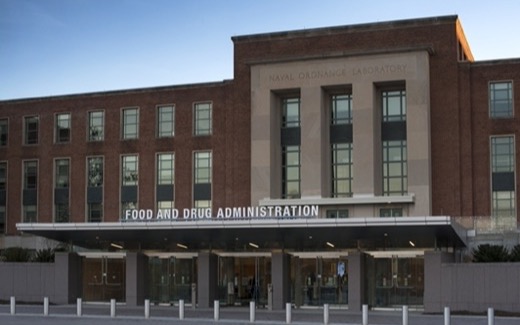
FDA's Center for Devices and Radiological Health has opened a Rare Disease Impact Initiative, a centralized effort to close what the agency describes as a persistent gap in medical devices for small patient populations. The program, live on FDA's site as of 11 September, pairs a new public device list with structured engagement channels for developers, patients, and caregivers — the device center's answer to a problem the drug side of the agency has been working on since 2022.
Why devices lag drugs on rare disease
The device side of FDA has had rare-disease tools for decades — the Humanitarian Device Exemption (HDE) pathway, aimed at devices for U.S. populations under 8,000 patients a year, dates to the 1990s. What CDRH lacked until now was a single door: a place where developers, clinicians, and patient advocacy groups could find which devices already exist for a given rare condition, and where CDRH itself would field questions about a pathway rather than leaving sponsors to work out precedent case by case. The initiative doesn’t change any submission requirement. It is infrastructure — a list, an inbox, and a workshop calendar — layered on top of routes that already exist.
What the device list actually shows
The Rare Disease Medical Device List is exactly that: devices already authorized for marketing in the U.S. that carry a rare-disease or rare-condition indication, gathered into one place for the first time as an official CDRH resource. FDA frames it as a tool for visibility and transparency into the current device landscape for rare diseases rather than a comprehensive registry. For a sponsor evaluating whether a predicate or comparable device already exists for a target population, that turns what used to be an ad hoc database search into a documented starting point.
The companion workshop, and the drug-side precedent
CDRH's initiative sits alongside a workshop calendar rather than a single announcement. Its next event, the third in FDA's RISE (Rare disease Innovation, Science, and Exploration) series, is scheduled for 29 September 2026 under the title “RISE to the Challenge: Statistical Considerations for Rare Disease Clinical Investigations.” Its subject — how to size and analyze a trial when the entire eligible population might be a few hundred people worldwide — sits squarely inside the problem the initiative is built to address. On the drug side, CDER has run a comparable Accelerating Rare Disease Cures (ARC) Program since 2022; CDRH's initiative reads as the device center building its own version of that infrastructure, several years behind but modeled on the same idea: centralize the resources so sponsors and patient groups stop rediscovering the same answers from scratch.
For a device sponsor already working a rare-disease submission, the practical change is a point of contact rather than a change in pathway: CDRH-Rare@fda.hhs.gov reaches the center directly, and a cleared device can now expect to be added to a public list that patients, clinicians, and other sponsors will consult.
Frequently asked questions
What is the CDRH Rare Disease Impact Initiative?
A centralized program FDA's Center for Devices and Radiological Health (CDRH) launched on 11 September 2026 to support medical device development for rare diseases and small patient populations, including a public device list, developer resources, and a structured way for developers, patients, and caregivers to reach the center.
What is the Rare Disease Medical Device List?
A public catalog identifying medical devices already authorized for marketing in the United States for a rare disease or rare condition indication. FDA describes it as a tool for visibility and transparency into the current device landscape, not as a comprehensive registry.
How can a device developer engage with CDRH on a rare-disease device?
Through the initiative's dedicated inbox, CDRH-Rare@fda.hhs.gov, or by attending CDRH's public workshops on rare-disease device development, including the 29 September 2026 workshop on statistical considerations for rare-disease clinical investigations.
Does the initiative create a new device review pathway?
No. It does not create a new regulatory pathway or change existing routes such as 510(k), De Novo, or the Humanitarian Device Exemption. It is a resource and engagement layer built on top of those existing pathways.
Sources & further reading
- FDA, “CDRH Rare Disease Impact Initiative,” Center for Devices and Radiological Health program page. fda.gov
- Citeline Medtech Insight, “CDRH Moves To Close Rare Disease Device Gap With New Initiative And Device List,” 11 September 2026. insights.citeline.com
- FDA, “Rare Disease News, Events & Reports,” including the 29 September 2026 RISE workshop listing. fda.gov
Regulatory News reports on public regulatory documents. It is not legal advice, and the primary sources above govern. If we have made an error, we will say so in public: see corrections.